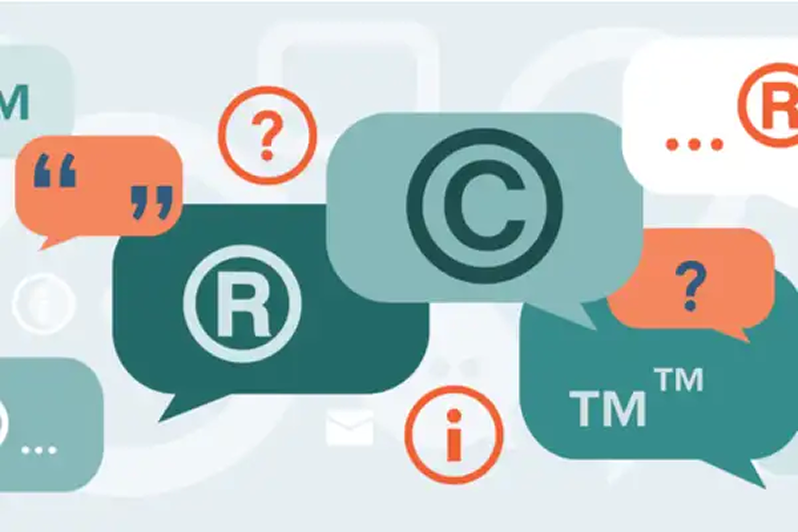
The trademark landscape continues to shift as new technologies, consumer expectations, and digital channels change how brands are created and experienced.
AI Integration in Trademark Searches
AI can make early clearance work faster by comparing large sets of text, imagery, and marketplace signals before a business commits to a mark.
Blockchain for Trademark Security
Tamper-resistant records can help organize ownership, licensing, provenance, and evidence alongside formal trademark registrations.
Metaverse and Virtual Goods
Virtual products and branded experiences are creating new commercial opportunities and new questions about goods, services, and geographic reach.
Sustainability and Ethical Branding
Consumers increasingly connect a brand with its sourcing and social commitments, making honest, substantiated messaging important to long-term trust.
Global Trademark Trends
Online commerce makes brands more visible across borders, increasing the value of coordinated filing, monitoring, and localization strategies.
Non-Fungible Tokens (NFTs) and Trademarks
NFT projects should define what is being sold, who owns the associated rights, and how a trademark is permitted to appear in the experience.
Data Privacy and Trademark Protection
Monitoring programs should collect and retain only the information they need, with safeguards for customer data and confidential business records.
Evolving Legal Frameworks
New technologies continue to test existing rules, so businesses should keep their portfolios, contracts, and enforcement playbooks under regular review.
Social Media and Influencer Collaborations
Clear agreements help define how marks, campaign content, disclosures, and creator partnerships can be used across fast-moving social channels.